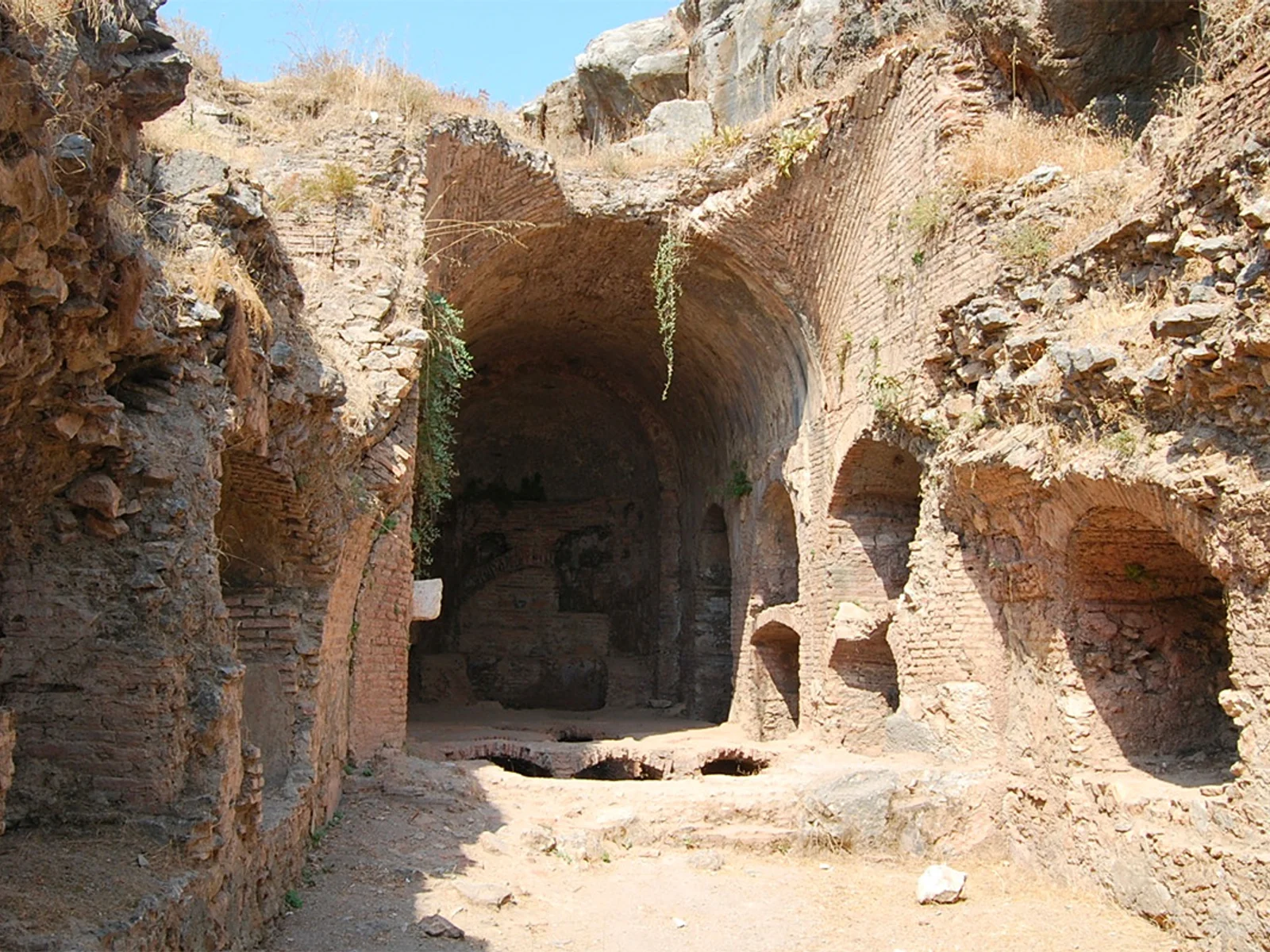
Seven Sleepers of Ephesus: Ancient Cave Legend
Deep within the annals of ancient Ephesian folklore lies a story shrouded in mystery and wonder - the legend of the Seven Sleepers. This tale, rooted in both Christian and Islamic traditions, recounts the miraculous events surrounding seven young men who, fleeing persecution for their faith, sought refuge in a cave and emerged centuries later to find a world transformed.
According to legend, during the reign of the Roman emperor Decius in the 3rd century CE, seven Christian youths from Ephesus refused to renounce their faith and worship the Roman gods. Fearing persecution and death, they sought refuge in a cave on the outskirts of the city. As they entered the cave, they prayed fervently to God for protection and guidance.
Divine intervention soon followed, as God caused the seven youths to fall into a deep sleep, sealing the entrance of the cave with a miraculous rock. Inside the cave, the youths remained in a state of suspended animation for what they believed to be only a few hours. Little did they know that centuries were passing outside the confines of their rocky sanctuary.
Meanwhile, the world around them was undergoing profound changes. Christianity had spread throughout the Roman Empire, and the once-pagan city of Ephesus had become a center of Christian worship. The Roman Empire itself had crumbled, giving way to new kingdoms and empires.
It wasn't until around 250 years later that the miraculous story of the Seven Sleepers came to light. During the reign of the Christian Byzantine emperor Theodosius II in the 5th century CE, the cave containing the sleeping youths was accidentally discovered during construction work. As the entrance was unsealed, the seven sleepers awoke, believing that they had only slept for a day.
Emerging from their long slumber, the seven youths ventured into the city of Ephesus, expecting to find their families and fellow believers. Instead, they were greeted by a world vastly different from the one they had left behind. The once-pagan city was now adorned with Christian churches, and the Christian faith had become the dominant religion of the land.
News of their miraculous awakening spread quickly throughout the city, and the Seven Sleepers soon became revered as symbols of faith and divine protection. They recounted their incredible story to the amazed inhabitants of Ephesus, confirming the power of God and the endurance of faith in the face of adversity.
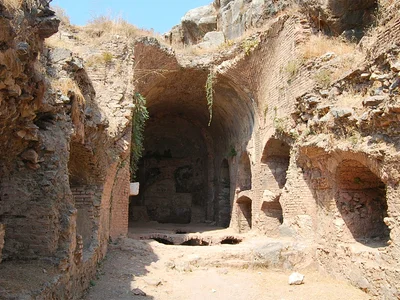
In both Christian and Islamic traditions, the legend of the Seven Sleepers has been passed down through generations, inspiring countless believers with its message of steadfast faith and divine intervention. Today, the cave of the Seven Sleepers remains a popular pilgrimage site in Ephesus, where visitors can pay homage to these legendary figures and reflect on the enduring power of faith.