Hierapolis: Ancient Thermal Springs and Ruins

Explore Hierapolis, an ancient city known for its well-preserved ruins and stunning thermal springs in Pamukkale, Turkey.

Hierapolis: Ancient Thermal Springs and Ruins

Hierapolis: Ancient City of History and Healing

Nestled in southwestern Turkey, near the modern city of Denizli, lies the ancient city of Hierapolis, a UNESCO World Heritage Site brimming with historical significance and architectural wonders. Dating back to the Hellenistic period, Hierapolis flourished as a prominent Greco-Roman city and spa destination, boasting stunning ruins that continue to captivate visitors from around the world.

A Marvel of Ancient Engineering

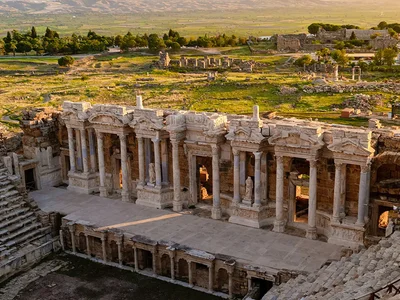
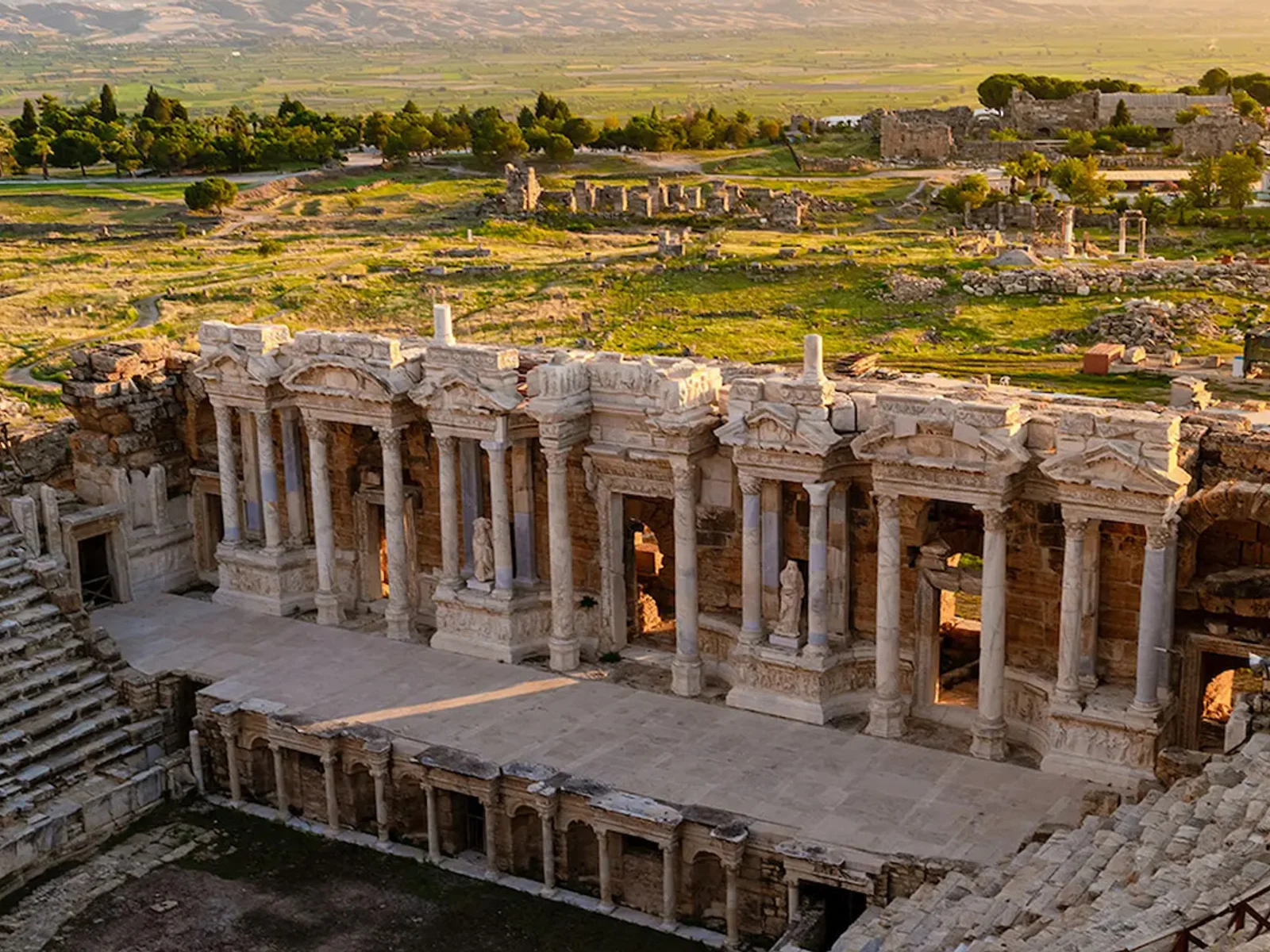
Hierapolis is renowned for its well-preserved theater, which once accommodated up to 15,000 spectators and served as a venue for theatrical performances and religious ceremonies. The theater's remarkable acoustics and commanding views of the surrounding landscape make it a must-see attraction for history enthusiasts and architecture aficionados alike.

Sacred Springs and Thermal Baths

One of the city's most iconic features is its sacred hot springs, revered for their healing properties since antiquity. Visitors can explore the ancient thermal baths, where residents and pilgrims once sought relief from various ailments. Additionally, the intricately decorated Martyrium of St. Philip, dedicated to the Apostle Philip, stands as a testament to the city's religious significance and spiritual heritage.

A Tapestry of History and Culture

As you wander through the ruins of Hierapolis, you'll encounter a rich tapestry of history and culture, from the well-preserved necropolis, adorned with elaborately carved sarcophagi, to the imposing remnants of the city's ancient walls. Don't miss the opportunity to stroll along the city's colonnaded streets, lined with grandiose monuments and temples, offering insight into the daily life and rituals of its inhabitants.

Whether you're drawn to its architectural marvels, therapeutic hot springs, or rich history, Hierapolis offers a truly immersive journey through the ancient world. As you explore its captivating ruins and sacred sites, you'll find yourself transported back in time to a bygone era of splendor and significance, leaving you with a newfound appreciation for Turkey's remarkable cultural heritage.

Share This Article

Found this helpful? Share it with your network!

Frequently Asked Questions

What is Hierapolis?

Hierapolis is an ancient Greco-Roman city built on hot springs in southwestern Turkey. It is famous for its well-preserved ruins and proximity to the stunning travertine terraces of Pamukkale.

Where is Hierapolis located?

Hierapolis is located near the modern city of Denizli in the Denizli Province of Turkey, adjacent to the natural site of Pamukkale.

What is the historical significance of Hierapolis?

Founded in the 2nd century BC, Hierapolis was a major religious center famous for its thermal springs and healing waters. It was an important city in Roman and Byzantine times and is now a UNESCO World Heritage Site.

What are the main attractions to see in Hierapolis?

Key attractions include the ancient theatre, the Necropolis (one of the largest ancient cemeteries), the Temple of Apollo, the Martyrium of St. Philip, Roman baths, and the Plutonium cave.

Can I visit Hierapolis and Pamukkale in the same trip?

Yes, Hierapolis and Pamukkale are part of the same archaeological park and can be visited together with a single entrance ticket.

Are there guided tours available at Hierapolis?

Yes, guided tours and audio guides are widely available, offering detailed historical context and insights into the site’s significance.

What are the opening hours for Hierapolis?

Hierapolis generally opens around 6:30 AM and closes between 6:00 PM and 8:00 PM depending on the season. It is advisable to check current hours before visiting.

How long does it take to explore Hierapolis?

Most visitors spend between two to four hours exploring Hierapolis to fully appreciate its ruins and surroundings.

Is Hierapolis suitable for families and children?

Yes, families can enjoy the site, but parents should be cautious as some areas have uneven terrain and steep steps.

What is the best time of year to visit Hierapolis?

Spring and autumn offer pleasant weather and fewer crowds. Summer can be hot, while winter is cooler and less crowded.

How do I get to Hierapolis from Denizli or Pamukkale?

Hierapolis is easily accessible from Denizli and Pamukkale by car or local shuttle services. It is within walking distance from the Pamukkale travertines.

Are there any restrictions or rules when visiting Hierapolis?

Visitors are required to respect the archaeological site by not climbing on ruins, avoiding littering, and following designated pathways to help preserve the area.

Can I swim in the thermal pools at Hierapolis?

Swimming is not allowed in the ancient pools, but visitors can swim in the nearby Antique Pool (Cleopatra’s Pool) which has submerged ancient columns.

Are there facilities such as restrooms and cafes at Hierapolis?

Yes, there are basic facilities including restrooms and cafes near the entrance to accommodate visitors.

Is Hierapolis accessible for people with mobility challenges?

Due to uneven terrain and ancient structures, some parts of Hierapolis may be difficult for visitors with mobility issues. It is recommended to plan accordingly.